
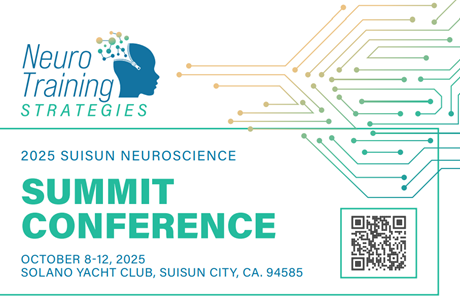
AAPB Co-sponsored Education: The 2025 Suisun Neuroscience Summit
TO PURCHASE CE CREDITS, CLICK HERE
Event Type: Hybrid (live and virtual delivery)
Event Date: October 8-12, 2025
Event Location: Solano Yacht Club, Suisun City, CA 94585
Description: In late 2018, an exciting collaboration ignited in the serene landscapes of Suisun, CA, as Jay Gunkelman and Mary Tracy partnered to launch the inaugural Suisun EEG/qEEG Workshop, aptly titled “Back to Basics.” This event attracted a vibrant assembly of enthusiastic neuroscience students and professionals, many of whom had been inspired by Jay himself. They gathered in his charming hometown to immerse themselves in the captivating world of EEG analysis under his expert guidance. What began as a singular workshop has blossomed into a celebrated annual tradition known as the “Suisun Summit,” held each year in tribute to Jay’s international presence and expertise in the EEG world. With a dynamic focus on the intricacies of EEG analysis, the interpretation of quantitative EEG (qEEG), and cutting-edge discussions on advances in neurofeedback and neuromodulatory techniques, the Summit has become a must-attend event for any passionate student of neuroscience. In addition, we celebrate Jay’s birthday each year with a catered event that raises thousands of dollars to support student research in EEG and qEEG. Join us as we continue to explore and expand the frontiers of brain science at this inspiring gathering!
Event URL: https://eegstrategies.com/suisun-summit-2025/
Organizers: Cory Williams and Mary Tracy
Schedule of Events:
OCTOBER 9, 2025
8:45 – 10:15 AM Opening Keynote Speaker: Biofeedback and Neurofeedback For Parkinson’s Related Symptoms | Lisa Tataryn, BSc, FMCHC, DIRECTOR, SMARTPD Program, San Diego, CA – 1.5 CE Credits
Session Description: Neurofeedback and biofeedback have rapidly evolved from fringe applications to promising frontline tools in Parkinson’s care. In this session, we will explore how 25 years of Parkinson’s-specific EEG research, combined with translational neuroscience, has led to practical, effective, and client-centered protocols that improve quality of life for individuals living with Parkinson’s disease. We will begin by reviewing the scientific timeline of neurofeedback and biofeedback interventions in Parkinson’s—from early pilot studies to recent peer-reviewed publications and clinical trials—demonstrating the growing evidence base and clinical relevance. Special emphasis will be placed on outcomes in areas where medication often falls short, such as apathy, sleep disturbances, freezing of gait, REM behavior disorder, autonomic dysfunction, and cognitive decline. The session will then examine how to translate QEEG findings into individualized neurofeedback protocols using symptom-specific EEG markers and a systems-informed framework. We’ll discuss how to integrate neurophysiological data into treatment plans that reflect the complexity and variability of Parkinson’s presentation. Real-world clinical outcomes and implementation strategies from the SMARTPD Program will be shared, offering attendees a model that combines neurofeedback, biofeedback, and lifestyle-based coaching. The goal is not only to present the science, but to show how you can start applying it—even without being a Parkinson’s expert. Whether you’re new to working with this population or looking to refine your approach, this session will provide you with the tools and confidence to get started. You’ll leave with a deeper understanding of how non-invasive brain and body training can fill critical gaps in Parkinson’s treatment—and how your skills as a neurofeedback provider can profoundly improve patient outcomes and daily quality of life.
Level: Advanced
Learning Objectives:
-
- Describe the progression of clinical research supporting neurofeedback and biofeedback for Parkinson’s disease, including recent publications and outcomes data.
- Apply translational neuroscience principles to design symptom-specific neurofeedback protocols using QEEG findings and individualized EEG markers.
- Identify best practices for implementing non-invasive brain and body training to improve motor, cognitive, and autonomic symptoms in individuals with Parkinson’s disease.
Target Audience: This session is designed for neurofeedback practitioners, psychologists, physical therapists, neurologists, and allied health professionals seeking research-based interventions to support clients with Parkinson’s disease.
Risks/Utility/Validity: Materials that are included in this course may include interventions and modalities that are beyond the authorized practice of mental health professionals. As a licensed professional, you are responsible for reviewing the scope of practice, including activities that are defined in law as beyond the boundaries of practice in accordance with and in compliance with your profession’s standards.
This presentation discusses clinical assessments and interventions including neurofeedback, biofeedback, and QEEG analysis as part of a personalized, non-invasive approach for supporting individuals with Parkinson’s disease. While these tools are grounded in emerging clinical practice, several limitations and considerations apply:
-
-
- Individual Response Variability: Not all individuals experience the same level of benefit. Outcomes depend on numerous factors including symptom type, disease stage, and engagement in the training process.
- Non-Curative Nature: These approaches are supportive—not curative. They aim to improve function and quality of life but are not a replacement for medical care or disease-modifying treatments.
- Limited Awareness Among Providers: Many medical professionals are unfamiliar with neurofeedback/biofeedback applications for Parkinson’s, which can affect integration with standard care.
- Most Common Risks: These interventions are low risk. The most common effects include temporary mental fatigue or frustration, particularly in early sessions. Sessions are adjusted if discomfort occurs.
- Clinical Oversight Required: While these technologies are non-invasive, protocol development should be guided by trained professionals using clinical data to avoid mismatched or ineffective training.
-
Focus: 30% Clinical/70% Research
DEIJ Consideration: This presentation promotes cultural competence by emphasizing personalized, patient-centered care that respects everyone’s background, values, and beliefs. Attendees will be encouraged to consider how culture, communication style, and health access affect engagement with neurofeedback and biofeedback. Strategies will be shared to help clinicians deliver more inclusive, adaptable care for individuals with Parkinson’s from diverse communities.
CE Credits: 1.5 CE Credits
Presented by: Lisa Tataryn, BSc, FMCHC, is a clinical neuroscientist and board-certified neurofeedback practitioner with over 20 years of experience pioneering non-drug approaches for Parkinson’s disease. Creator of the award-winning SMARTPD Program, she integrates neuroscience, digital health, and lifestyle coaching to address both motor and non-motor symptoms. Lisa’s work has earned commendations from the California Senate and U.S. Congress. She is a frequent speaker at support groups and clinical summits, where she educates professionals on brain-based therapies. Through her innovative and compassionate approach, Lisa helps people with Parkinson’s restore agency, reduce overwhelm, and improve daily quality of life.
Disclosure: This presenter has no financial interest to disclose.
References:
-
- Diotaiuti, P., Marotta, G., Vitiello, S., Di Siena, F., Palombo, M., Langiano, E., Ferrara, M., & Mancone, S. (2025). Biofeedback for motor and cognitive rehabilitation in Parkinson’s disease: A comprehensive review of non-invasive interventions. Brain Sciences, 15(7), 720. https://doi.org/10.3390/brainsci15070720
- Gongora, M., Velasques, B., Cagy, M., Teixeira, S., & Ribeiro, P. (2019). EEG coherence as a diagnostic tool to measure the initial stages of Parkinson’s disease. Medical Hypotheses, 123, 74–78. https://doi.org/10.1016/j.mehy.2018.12.014
- Sedighi Darijani, S., Sahebozamani, M., Eslami, M., Babakhanian, S., Alimoradi, M., & Iranmanesh, M. (2024). The effect of neurofeedback and somatosensory exercises on balance and physical performance of older adults: A parallel single-blinded randomized controlled trial. Scientific Reports, 14, Article 24087. https://doi.org/10.1038/s41598-024-74980-7
- Kim, M. S., Park, S., Park, U., Kang, S. W., & Kang, S. Y. (2024). Fatigue in Parkinson’s disease is due to decreased efficiency of the frontal network: Quantitative EEG analysis. Journal of Movement Disorders, 17(3), 304–312. https://doi.org/10.14802/jmd.24038
- Yassine, S., Almarouk, S., Gschwandtner, U., Auffret, M., Fuhr, P., Verin, M., & Hassan, M. (2024). Electrophysiological signatures of anxiety in Parkinson’s disease. Translational Psychiatry, 14(66). https://doi.org/10.1038/s41398-024-02745-x
AI Transparency:
What was the role of AI: efficiently extracting key findings, methodologies, and relevance for slide content.
How was AI used: AI was used to help organize slide content, propose titles, and suggest clear language for educating clinicians.
When was AI used? Generate summaries and identify key themes from peer-reviewed articles.
What is the extent of AI’s contribution in developing this course content? AI tools did not make independent decisions or produce final educational materials.
10:15 – 10:30 AM Break
10:30 – 11:00 AM Become Qualified for the International QEEG Board Diplomate and Technologist’s Certification | Donna Sansone International QEEG Certification Board Administrator
11:00 AM – 12:00 PM The Inflamed Mind: Unraveling Neuroinflammation’s Impact on Brain Health and Mental Well-Being | Santiago Brand, BCB, BCN, QEEG-DL – 1.0 CE Credits
Session Description: Neuroinflammation is a critical yet often overlooked factor in brain health and mental well-being. Emerging research reveals its profound impact on cognitive function, emotional regulation, and the development of mental health disorders such as anxiety, depression, and neurodegenerative diseases. This presentation explores the mechanisms of neuroinflammation, their triggers—including stress, lifestyle, and environmental factors—and cutting-edge interventions to mitigate its effects. From brain mapping and neurofeedback to lifestyle modifications and novel therapeutic approaches, we will discuss strategies to optimize brain health and enhance mental resilience. Join us for an insightful discussion on harnessing neuroscience to foster a healthier mind.
Level: Introductory
Learning Objectives:
-
- Define neuroinflammation and describe its physiological mechanisms and role in brain function and dysfunction
- Identify key biomarkers and clinical indicators of neuroinflammation using tools such as qEEG, blood tests, and neuroimaging
- Observe the connection between chronic neuroinflammation and common mental health conditions, including depression, anxiety, ADHD, and neurodegenerative disorders
- Explore the impact of lifestyle factors (e.g., diet, stress, sleep, gut health) on the onset and progression of neuroinflammatory processes
- Evaluate the role of qEEG and EEG in detecting patterns associated with neuroinflammation and guiding targeted interventions
- Discuss integrative strategies (including neurofeedback, nutrition, stress reduction, and supplementation) to reduce neuroinflammation and improve mental well-being across the lifespan
Risks/Utility/Validity: Materials that are included in this course may include interventions and modalities that are beyond the authorized practice of mental health professionals. As a licensed professional, you are responsible for reviewing the scope of practice, including activities that are defined in law as beyond the boundaries of practice in accordance with and in compliance with your profession’s standards.
CE Credits: 1.0 CE Credits
Presented by: Santiago Brand is Board certified in QEEG Brain mapping, neurofeedback, and biofeedback with 17 years of experience in these fields. International trainer, and instructor (26 countries to date). Certified Mentor for the Biofeedback Certification International Alliance (BCIA) and the International QEEG Certification Board (IQCB). Certified Brainspotting practitioner and instructor. Experienced in intervention in sport psychology, performance psychology and clinical psychology. University lecturer with the ability to provide intervention and training in both English and Spanish. Scientific advisor, instructor and consultant for the Biofeedback Federation of Europe (BFE), InMindOut, USA, NEUROWIZR Singapore, iMediSync South Korea, 180 Sanctuary Thailand Vishee Medical China, Advictor China and BIONEURO Brazil.
Disclosure: This presenter does receive income as an instructor for i-MediSynch and may benefit from the findings presented herein. This presentation will be presented free of commercial bias.
References:
-
- Iaccarino, H. F., Singer, A. C., Martorell, A. J., Rudenko, A., Gao, F., Gillingham, T. Z., ... & Tsai, L. H. (2016). Gamma frequency entrainment attenuates amyloid load and modifies microglia. Nature, 540(7632), 230-235.
- Ransohoff RM, Schafer D, Vincent A, Blachère NE, Bar-Or A. Neuroinflammation: Ways in Which the Immune System Affects the Brain. Neurotherapeutics. PubMed, 2015 Oct;12(4):896-909. doi: 10.1007/s13311-015-0385-3. PMID: 26306439; PMCID: PMC4604183.
- Iznak, A & Iznak E. EEG correlates neuroinflammation and neuroplasticity processes in patients with depressive-delusional disorders. Res. Gate, February 2021 DOI: 10.13140/RG.2.2.24952.16647
AI Transparency: AI was NOT used to develop this presentation.
12:00 – 1:30 PM Lunch
1:30 – 2:30 PM Z-Score Neurofeedback as an Intervention for Persistent Post-Concussion Symptoms: Effects on Neurometabolic and Cognitive Outcomes | Andre Avila, Graduate Student, BSc, PhD Candidate, qEEG, neurofeedback, rTMS technician, Perth, Western Australia, Australia – 1.0 CE Credits
Session Description: Up to 50% of mild traumatic brain injury cases experience persistent post-concussion symptoms (PPCS), frequently involving cognitive dysfunction. Emerging research indicates altered neurometabolism underlies PPCS. Neurofeedback has recently been shown to improve neurometabolic markers in depression, highlighting its potential in PPCS treatment. This study is an ongoing placebo-controlled trial of neurofeedback as a treatment for PPCS. Quantitative electroencephalography is used to guide treatment, and brain metabolites are measured using 1H-magnetic resonance. Neurocognition is assessed using a neuropsychological battery. This study aims to elucidate the physiological mechanisms of neurofeedback and potential targets for PPCS recovery, advancing personalized interventions for PPCS.
Target Audience: Neuroscientists, psychologists, and clinicians/practitioners working in brain injury rehabilitation; Biofeedback and neurofeedback practitioners; Researchers and graduate students in the fields of neuroscience, neurorehabilitation, or psychophysiology
Level: Intermediate
Learning Objectives:
-
- Describe the neurometabolic and cognitive effects of persistent post-concussion symptoms (PPCS) following mild traumatic brain injury (mTBI), and their underlying neurophysiological mechanisms
- Explain how qEEG-guided Z-score swLORETA neurofeedback can be used as an intervention for PPCS
- Discuss the role of 1H-magnetic resonance spectroscopy (1H-MRS) in assessing brain metabolism and how neurofeedback may influence brain metabolites in people with PPCS
Risks/Utility/Validity: Materials that are included in this course may include interventions and modalities that are beyond the authorized practice of mental health professionals. As a licensed professional, you are responsible for reviewing the scope of practice, including activities that are defined in law as beyond the boundaries of practice in accordance with and in compliance with your profession’s standards.
This presentation will include discussion of our ongoing clinical trial (with pilot data) of Z-score swLORETA neurofeedback for PPCS. This will include a placebo arm to differentiate non-specific effects as a limitation. Furthermore, since this is pilot data, limitations such as sample size are considered. Several clinical assessments and neuroimaging are undertaken in this research, including H-MRS to assess brain metabolites, which several peer-reviewed studies demonstrating metabolite changes (NAA, Cho, mI, Cr) in people with mTBI and PPCS. This presentation will also discuss the utility of qEEG-guided neurofeedback to induce changes in neurometabolism in this cohort. Neurofeedback is considered to have a good safety profile, with minimal risks or side effects. The most common side effects include transient headache and fatigue.
Focus: 40% Clinical/60% Research
CE Credits: 1.0 CE Credits
Presented by: André Avila is a PhD candidate at Curtin University and the Perron Institute in Perth, Australia, focusing on the neurometabolic and inflammatory mechanisms underlying persistent post-concussion symptoms (PPCS) following mild traumatic brain injury (mTBI). His current research involves the application of quantitative EEG (qEEG), blood biomarkers, magnetic resonance spectroscopy (1H-MRS), and Z-score swLORETA neurofeedback to investigate how neuroinflammation and altered brain metabolism contribute to long-term cognitive symptoms in mTBI. He has presented his research at both national and international conferences, including the Symposium for West Australian Neuroscience (SWAN), the Australasian Neuroscience Society (ANS), and the Suisun Neuroscience Summit in California. André is also the co-director of Headquarters, a clinic offering qEEG-guided neurofeedback.
Disclosure: This presenter has no financial interest to disclose.
References:
-
- Theadom A, Parag V, Dowell T, McPherson K, Starkey N, Barker-Collo S, et al. Persistent problems 1 year after mild traumatic brain injury: a longitudinal population study in New Zealand. Br J Gen Pract. 2016 Jan;66(642): e16-23.
- McInnes K, Friesen CL, McKenzie DE, Westwood DA, Boe SG. Mild Traumatic Brain Injury (mTBI) and chronic cognitive impairment: A scoping review. Kobeissy FH, editor. PLoS ONE. 2017 Apr 11;12(4): e0174847.
- Biagianti B, Stocchetti N, Brambilla P, Van Vleet T. Brain dysfunction underlying prolonged post-concussive syndrome: A systematic review. Journal of Affective Disorders. 2020 Feb; 262:71–6.
- Tsuchiyagaito A, Smith JL, El-Sabbagh N, Zotev V, Misaki M, Al Zoubi O, et al. Real-time fMRI neurofeedback amygdala training may influence kynurenine pathway metabolism in major depressive disorder. NeuroImage: Clinical. 2021; 29:102559.
- Koberda JL. LORETA Z-score Neurofeedback-Effectiveness in Rehabilitation of Patients Suffering from Traumatic Brain Injury. J Neurol Neurobio [Internet]. 2015 [cited 2022 Mar 16];1(4). Available from: https://www.sciforschenonline.org/journals/neurology/JNNB-1-113.php
AI Transparency: AI was NOT used to develop this presentation
2:30 – 4:00 PM Concussion Rescue: A Holistic Approach to Brain Injury Rehabilitation | Jay Gattis, PsyD, BCN, QEEG-D and Kabran Chapek, ND – 1.5 CE Credits
Session Description: Concussions are a major source of disability and mental illness and often go undiagnosed. Biofeedback providers are well suited to help these individuals and to think holistically about how to assess and treat people with a history of brain injury. In this lecture, Dr. Chapek will cover how to think about concussions and traumatic brain injury assessment and treatment. He will help you construct more effective treatment plans for your patients who have been struggling with a concussion as well as provide information on a DIY Concussion First Aid kit which can be administered after a blow to the head with the goal of minimizing the resulting brain injury and maximizing recovery. Dr. Jay Gattis will review some salient biofeedback and neurofeedback interventions.
Level: Introductory
Learning Objectives:
-
- Describe Standard Concussion Protocol
- Identify assessments and labs
- Describe supplements and the DIY Concussion First Aid Kit
- List mechanisms and Myths of TBI
- Explain treatment planning and bio/neurofeedback
Risks/Utility/Validity: Materials that are included in this course may include interventions and modalities that are beyond the authorized practice of mental health professionals. As a licensed professional, you are responsible for reviewing the scope of practice, including activities that are defined in law as beyond the boundaries of practice in accordance with and in compliance with your profession’s standards.
Concussions can lead to death or disability. Assessment and treatment may fail to produce results causing financial hardship and emotional distress.
Focus: 50% Clinical/50% Research
CE Credits: 1.5 CE Credits
Presented by:
Dr. Jay Gattis is a licensed clinical psychologist and board-certified neurofeedback practitioner. He is also a QEEG diplomate and serves on the board of the IQCB. Dr. Gattis completed his PsyD in Clinical Psychology at Rosemead School of Psychology at Biola University. He has been practicing for over 20 years and also works at the Amen Clinic in Costa Mesa, CA. He is committed to providing integrative/wholistic brain-inclusive treatment for patients of all ages and conditions.
Dr. Kabran Chapek has been a staff physician at Amen Clinics since 2013. As a graduate of Bastyr University in the Seattle area, he is an expert in the use of integrative treatments. He is the founding president of the Psychiatric Association of Naturopathic physicians and was recently elected to the board of the American Association of Naturopathic Physicians. In 2020 he released “Concussion Rescue: A Comprehensive Program to Heal Traumatic Brain Injury.
Disclosures: These presenters have no financial interest to disclose.
References:
-
- Míguez-Navarro MC, Escobar-Castellanos M, Guerrero-Márquez G, Rivas-García A, Pascual-García P; Clinical Working Group of Analgesia and Sedation of the Spanish Society for Pediatric Emergencies (SEUP). (2022). Pain Prevalence Among Children Visiting Pediatric Emergency Departments. Pediatr Emerg Care. May 1;38(5):228-234. doi: 10.1097/PEC.0000000000002580. Epub 2022 Jan 25. PMID: 35482496.
- Lehrer, P. M., & Gevirtz, R. (2014). Heart rate variability biofeedback: how and why does it work?. Frontiers in psychology, 756. https://doi.org/10.3389/fpsyg.2014.0075
- Pham, T., Lau, Z. J., Chen, S. A., & Makowski, D. (2021). Heart Rate Variability in psychology: A review of HRV indices and an analysis tutorial. Sensors, 21(12), 3998. https://doi.org/10.3390/s21123998
- Yetwin AK, Mahrer NE, Bell TS, Gold JI. (2022). Heart Rate Variability biofeedback therapy for children and adolescents with chronic pain: A pilot study. J Pediatr Nurs. Sep-Oct;66:151-159. doi: 10.1016/j.pedn.2022.06.008. Epub 2022 Jun 28. PMID: 35777250.
AI Transparency: AI was NOT used to develop this presentation
4:15 – 4:30 PM Break
4:30 – 5:30 PM Integrating AI into EEG Workflows: Tools, Trends, and Clinical Impact | Lisa Tataryn, BCN, FMCHC –Roundtable Discussion
5:30 – 6:30 PM QEEG-Guided Neurofeedback in a Complex Pediatric Case: Integrating Functional Medicine to Address Post-Concussive and Neurodevelopmental Dysregulation | Jessica Eure, LPC, BCN, BCB, QEEG-DL– 1.0 CE Credits
Session Description: This session presents a detailed case study of a 12-year-old boy with multiple concussions, Autism, Ehlers-Danlos Syndrome, and a history of Lyme disease. QEEG revealed a lower-voltage EEG with bifurcated alpha, spindling beta, and intermittent temporal sharp waves. The neurofeedback protocols targeted SMR training at Cz and Fz. Integrated into the protocol was a functional medicine framework addressing systemic contributors such as mitochondrial dysfunction, immune dysregulation, and mineral deficiencies. The collaborative approach, in partnership with Dr. Michael Pierce, included dietary modifications (lower carbohydrate, higher fat and protein), micronutrient and digestive support, and lymphatic drainage techniques. This synergistic model led to marked improvements in headache, anxiety, and attention symptoms, supported by neurophysiological changes in EEG recordings. Attendees will learn to interpret complex QEEG data and understand how functional metabolic interventions can augment neurofeedback efficacy. The session will highlight practical tools for addressing chronic pediatric dysregulation rooted in both neuroelectric and systemic imbalance.
Target Audience: Neurofeedback practitioners, clinicians working with pediatric neurodevelopmental disorders, functional medicine providers, and mental health professionals addressing complex chronic cases.
Level: Intermediate
Learning Objectives:
-
- Describe the application of QEEG findings in consideration of contributing factors to pediatric neurodevelopmental dysfunction
- Explain how functional medicine principles can enhance the outcomes of neurofeedback interventions
- Identify appropriate neurofeedback protocols based on complex QEEG patterns
Risks/Utility/Validity: Materials that are included in this course may include interventions and modalities that are beyond the authorized practice of mental health professionals. As a licensed professional, you are responsible for reviewing the scope of practice, including activities that are defined in law as beyond the boundaries of practice in accordance with and in compliance with your profession’s standards.
The primary risk lies in misinterpreting QEEG data without considering systemic physiological contributors. This presentation underscores the importance of multidisciplinary collaboration to mitigate treatment limitations and optimize outcomes.
Focus: 100% Clinical
DEIJ Consideration: The session emphasizes individualized care by integrating neurological and physiological assessment with an understanding of each patient's unique biological and social background. It supports culturally sensitive practices in treatment planning, recognizing diverse family dynamics, beliefs, and access to care in chronic pediatric cases.
CE Credits: 1.0 CE Credits
Presented by: Jessica Eure is a neurofeedback clinician with extensive experience treating complex pediatric neurodevelopmental cases. Her integrative approach combines phenotype-driven QEEG analysis with a holistic and functional medicine approach to address underlying physiological contributors to neurological dysfunction. Jessica's clinical work focuses on tailoring interventions to individual neurophysiological profiles, particularly in cases of post-concussive syndrome, autism, and chronic immune-metabolic conditions. Her partnership with multidisciplinary professionals enhances the efficacy of neurofeedback through metabolic support and lifestyle optimization.
Disclosure: This presenter has no financial interest to disclose.
References:
-
- Arns, M., Swatzyna, R. J., Gunkelman, J., & Olesen, P. (2015).
Sleep maintenance, spindling excessive beta and impulse control: An RDoC arousal and regulatory systems approach. Neuropsychiatric Electrophysiology, 1(5), 1–10. - Van Dijk, H., deBeus, M. S., Kerson, C., Arns, M., & Bazanova, O. (2020).
Different spectral analysis methods for the theta/beta ratio calculate different ratios but do not distinguish ADHD from controls. Applied Psychophysiology and Biofeedback, 45(2), 165–173. - Swatzyna, R. J., Morrow, L. M., Collins, D. M., Barr, E. A., Roark, A. J., & Turner, R. P. (2025). Evidentiary Significance of Routine EEG in Refractory Cases: A Paradigm Shift in Psychiatry. Clinical EEG and neuroscience, 56(5), 446–456. https://doi.org/10.1177/15500594231221313
- Arns, M., Swatzyna, R. J., Gunkelman, J., & Olesen, P. (2015).
AI Transparency:
What was the role AI: Assisting with synthesis of case study notes into structured presentation materials.
How was AI used: to organize my notes, check grammar and spelling
When was AI used? July 2025
What is the extent of AI’s contribution in developing this course content? 0% — I provided original case data and information
TOTAL BY DAY: 7 CE Credits for Maximum Participation (sign-in for live delivery)
OCTOBER 10, 2025
8:45 – 10:15 AM Opening Keynote: A Multidimensional Approach for Epilepsy: Neurofeedback in a Relational Frame | Lisa Bortolotto, MS, Licensed cognitive-behavioral psychotherapist – 1.5 CE Credits
Session Description: Epilepsy, a prevalent and complex neurological disorder, presents significant challenges in diagnosis, treatment, and adaptation for both individuals and their families. This presentation explores an assessment approach incorporating physiological, objective, subjective, and relational indexes. Data is collected through observation, qEEG, standardized psychometric questionnaires, seizure diaries, and evaluations of family dynamics and communication, providing both qualitative and quantitative insights. The integration of neurofeedback with CBT psychotherapy offers a multifaceted approach to addressing the emotional and social impact of epilepsy on families, addressing the side effects and the maintaining factors of symptoms from the patient and the family perspective.
Target Audience: This session is designed for practitioners and professionals who wish to integrate neurophysiological techniques with relationally focused care in epilepsy treatment:
-
- Neurologists & Neuropsychiatrists interested in augmenting pharmacological approaches with neurofeedback protocols
- Clinical Psychologists & Psychotherapists seeking trauma-informed, relational frameworks for working with seizure-affected clients
- Biofeedback/Neurofeedback Technicians aiming to deepen their clinical reasoning and client-centered application of qEEG data
- Rehabilitation Specialists & Occupational Therapists exploring brain–body self-regulation strategies for neurodevelopmental and post-injury populations
- Couples & Family Therapists working with caregivers and families of people with epilepsy to foster supportive dynamics
Whether your background is medical, psychological, or allied-health, you’ll gain suggestions and practical tools to tailor multidimensional, relationship-anchored neurofeedback interventions.
Level: Intermediate
Learning Objectives:
-
- Identify a qEEG biomarkers commonly associated with epileptiform activity and dysregulation
- Describe the steps involved in designing a neurofeedback protocol tailored to individuals with epilepsy, based on symptom presentation and EEG findings and addressing the family system relational framework
- Demonstrate an understanding of how to integrate neurofeedback with relational psychotherapy approaches (e.g., NARM, Imago) in a clinical case vignette
- Evaluate changes in client regulation using psychophysiological indicators (e.g., HRV, EEG metrics) before and after treatment
- Compare outcomes from a solely symptom-focused neurofeedback approach versus one embedded in a relational therapeutic frame
Risks/Utility/Validity: Materials that are included in this course may include interventions and modalities that are beyond the authorized practice of mental health professionals. As a licensed professional, you are responsible for reviewing the scope of practice, including activities that are defined in law as beyond the boundaries of practice in accordance with and in compliance with your profession’s standards.
This presentation is intended for licensed mental health and healthcare professionals trained or currently in training to use neurofeedback and relational therapeutic models. The following limitations and risks should be noted:
-
- Medical Oversight Requirement: Neurofeedback should not be used as a substitute for medical treatment. Individuals with a diagnosis or suspected diagnosis of epilepsy must be referred to and followed by a licensed neurologist. Neurofeedback may serve as an adjunctive intervention when coordinated with medical oversight.
- Clinical Competency and Supervision: The interventions discussed require formal training and supervision. Neurofeedback, qEEG interpretation, and trauma-informed relational approaches should only be administered by clinicians trained and mentored in these specific techniques. Use of these interventions outside of one’s professional scope or without appropriate training may present ethical and clinical risks.
- Assessment Procedures: Psychophysiological and psychological assessments (e.g., EEG, HRV, attachment history) discussed in the presentation must be conducted and interpreted by qualified clinicians. Misuse or misinterpretation of assessment data may lead to ineffective or potentially harmful treatment planning.
- Relational and Family Dynamics: When working with couples or family members of individuals with epilepsy, it is essential to uphold the privacy and autonomy of the identified patient. Sessions must be structured to protect emotional safety and to avoid enmeshment, overexposure, or triangulation of family dynamics.
Focus: 80% Clinical/20% Research
CE Credits: 1.5 CE Credits
Presented by: Lisa Bortolotto is an Italian psychologist and licensed cognitive-behavioural psychotherapist based in Treviso. She specializes in neurofeedback, biofeedback, and trauma-informed therapies, integrating psychophysiological assessments (qEEG, HRV) with evidence-based interventions. Trained in Schema Therapy, Brainspotting, NARM, and Imago Relationship Therapy, she works with individuals, couples, and neurodiverse populations. Her clinical practice focuses on stress regulation, complex trauma, ADHD, and relational issues. She is a certified member of AIAMC, ISNR, BCIA and the International Society of Schema Therapy. Committed to lifelong learning, she regularly participates in international conferences and supervision groups. Her integrative approach combines neuroscience, attachment theory, and emotional regulation to promote lasting change and relational well-being.
Disclosure: This presenter has no financial interest to disclose.
References:
-
- Turner, R. (2022). Biofeedback and health evidence-based biofeedback and neurofeedback for people with epilepsy and seiz. Policy Insights From the Behavioral and Brain Sciences, 9(2), 147-155. https://doi.org/10.1177/23727322221108508
- Loose C, Pietrowsky R. Schematherapie bei Kindern und Jugendlichen – eine konzeptuelle und evidenzbasierte Übersicht [Schema therapy with children and adolescents – a conceptual and evidence-based overview]. Z Kinder Jugendpsychiatr Psychother. 2016 Nov;44(6):432-442. German. doi: 10.1024/1422-4917/a000443. Epub 2016 Jun 13. PMID: 27299515.
- Pilkington, P. and Karantzas, G. (2024). A bibliometric analysis of the quantitative schema therapy literature. Clinical Psychology & Psychotherapy, 31(2). https://doi.org/10.1002/cpp.2963
- Karbasdehi, F., Hosseinkhanzadeh, A., & Shakerinia, I. (2021). The effectiveness of schema therapy on cognitive emotion regulation and social self- efficacy in adolescents with epilepsy. The Neuroscience Journal of Shefaye Khatam, 9(3), 64-72. https://doi.org/10.52547/shefa.9.3.64
- Dijk, S., Veenstra, M., Brink, R., Alphen, S., & Voshaar, R. (2023). A systematic review of the heterogeneity of schema therapy. Journal of Personality Disorders, 37(2), 233-262. https://doi.org/10.1521/pedi.2023.37.2.262
AI Transparency: AI was NOT used to develop this presentation
10:15 – 10:30 AM Break
10:30 AM – 12:00 PM Intractable Epilepsy Controlled By Neurofeedback and Adjunctive Treatments: A Case Report | Jay Gunkelman, QEEG-D EMERITUS and Isabella Harvison – 1.5 CE Credits
Session Description: This case report documents the treatment of a female patient with intractable temporal lobe epilepsy with secondary generalization. At the age of 13, the patient was hospitalized with ~120 seizures in a day, some of which were life-threatening. After hospital discharge, despite a regimen of multiple antiseizure medications, the patient still experienced ~90 seizures per day. After the interventions described in this work, over 500 neurofeedback sessions guided by EEG or qEEG data and adjunctive treatments including mental skills coaching, the patient became seizure- and medication-free, progressing from poor academic performance and inability to carry out normal daily life to attending university as a student athlete playing an NCAA Division I sport. This case will be personally narrated by the patient, and Jay Gunkelman. The long journey emphasizes that, with professional guidance and supervision, it is possible for people with epilepsy or their caregivers to provide the extensive, long-term neurofeedback and adjunctive training necessary for reduction and control of intractable seizures. Isabella overcame her diagnosed intractable epilepsy with the help of Neurotherapy, with over 350 training sessions, with the intention of playing tennis. Her BA and MA from Baylor provide her with communication skills she hopes to use in part to promote the visibility of NF for epilepsy. Jay helped with the EEG analysis and will share any technical details needed for Isabella to share her journey from the client’s perspective.
Target Audience: All ranges, from novice to experienced practitioner
Level: Introductory
Learning Objectives:
-
- Identify meta-analysis outcomes for intractable epilepsy for NF and neurosurgery
- Differentiate sharp waves from potentially epileptogenic spikes
- Identify the similarity between NF as a clinical treatment and optimizing sports performance
Risks/Utility/Validity: Materials that are included in this course may include interventions and modalities that are beyond the authorized practice of mental health professionals. As a licensed professional, you are responsible for reviewing the scope of practice, including activities that are defined in law as beyond the boundaries of practice in accordance with and in compliance with your profession’s standards.
Not identifying epileptiform activity in an EEG is a large risk, as 70% or more of ASD have epileptiform spikes in their EEG in the absence of seizures, 35% of ADHD, and approximately 1/3 of all psychiatric patients have undiscovered discharges.
Focus: 90% Clinical/10% Research
DEIJ Consideration: The EEG is culturally neutral, as established by publications. Access to healthcare is not without bias, but this talk is not regarding access.
CE Credits: 1.5 CE Credits
Presented by: Jay is a retired EEG technologist who has seen more EEGs than anyone living, stopping counting in the 1990s at 500,000 studies. Jay’s seminal work in EEG includes the initial EEG endophenotype paper in 2025, as well as being co-founder of the nation’s first applied psychophysiology lab at a state hospital (1972, Jamestown, ND). Jay is CSO for Brain Science International (USA, Russia, Switzerland).
Isabella is a professional tennis player based in Spain and New Zealand, recently graduating from Baylor University with her MA degree.
Disclosure: Jay Gunkelman is the co-owner, founder and Chief Science Officer of BSI – and MAY benefit from research findings herein. This presentation will be presented free of commercial bias. Ms. Harvison has no financial interest to disclose.
References:
-
- Turner, R., Wilson, V,. Gunkelman, J., Harvison, A., and Walker, L. Intractable Epilepsy Controlled by Neurofeedback and Adjunctive Treatments: A Case Report. Neuroregulation, 10 (1) 2023. https://doi.org/10.15540/nr.10.1.21
- Namkung, H., Kim, S. H., & Sawa, A. (2017). The Insula: An Underestimated Brain Area in Clinical Neuroscience, Psychiatry, and Neurology. Trends in neurosciences, 40(4), 200–207. https://doi.org/10.1016/j.tins.2017.02.002
- Morales-Quezada L, Martinez D, El-Hagrassy MM, Kaptchuk TJ, Sterman MB, Yeh GY. Neurofeedback impacts cognition and quality of life in pediatric focal epilepsy: An exploratory randomized double-blinded sham-controlled trial. Epilepsy Behav. 2019 Dec;101(Pt A):106570. doi: 10.1016/j.yebeh.2019.106570. Epub 2019 Nov 8. PMID: 31707107; PMCID: PMC7203763
AI Transparency: AI was NOT used to develop this presentation
12:00 – 1:30 PM Break
1:45 – 2:45 PM Resolution of Medication Resistant Epilepsy in a Pediatric Client Through Multimodal Interventions: A Case Study | Shari Johansson, MA, LPC, NCC, BCN, QEEG-DL – 1.0 CE Credits
Session Description: This case study presents the successful multimodal management of a 5-year-old boy with drug-resistant epilepsy, utilizing quantitative EEG (qEEG)-guided interventions in conjunction with functional medicine and environmental remediation. Comprehensive diagnostic testing included genetic analysis for toxin susceptibility, toxicology screening, nutritional assessment, and detailed environmental home evaluations. qEEG was instrumental in confirming seizure activity, evaluating medication effects, and guiding individualized neurofeedback protocols124. Functional medicine interventions addressed nutritional needs, and no genetic vulnerabilities were identified. Toxicology screening and environmental assessment revealed significant exposures, and targeted remediation was a key factor in the patient’s clinical improvement. This integrative approach led to a marked reduction and eventual resolution of seizures, highlighting the value of combining advanced neurophysiological monitoring with personalized metabolic and environmental strategies in pediatric epilepsy management.
Target Audience: Intermediate to advanced neurofeedback practitioners.
Level: Intermediate
Learning Objectives:
-
- Recognizing factors exacerbating or contributing to brain dysregulation
- Recognizing epileptiform content in the EEG
- Developing appropriate neurofeedback protocols to address pediatric epileptiform content
Risks/Utility/Validity: Materials that are included in this course may include interventions and modalities that are beyond the authorized practice of mental health professionals. As a licensed professional, you are responsible for reviewing the scope of practice, including activities that are defined in law as beyond the boundaries of practice in accordance with and in compliance with your profession’s standards.
Knowing who to collaborate with and when to refer to neurology and functional medicine is critical.
Focus: 90% Clinical/10% Research
CE Credits: 1.0 CE Credits
Presented by: Due to ADHD, Shari did not choose the traditional school route but sought out a more hands on approach. The choices came down to the Art Institute of Houston or UT Dental School for Dental Hygiene. Having a love for Art and Science made this a difficult choice. Shari chose the path that led to the excitement of an education in the heart of the Medical Center of Houston. The experience of learning anatomy and physiology as a Dental Hygienist was a great foundation for graduate school in Counseling Psychology. Shari learned about Biofeedback during grad school. She found biofeedback to be necessary in her own struggle with Panic and Anxiety. This resulted in a successful practice that used Biofeedback and CBT to help others overcome anxiety. In 1995, Shari helped develop a student counseling program at a local, private university and became the Director of that program growing from 50 students served in the first semester to over 250 students on average each semester thereafter. Fast forward several years, add marriage and two little ones, and Shari would find herself again in private practice for the flexibility it provided. Then came the non-drug solution to her son’s ADHD and her adopted daughter’s mood and behavior issues. It took a few trials to find the right neurofeedback practitioner, but Dr. Penny Montgomery’s application of Brain Wave training changed their lives in a matter of just a few months. Shari knew then she must bring this modality to her clients. With the guidance of friends and leaders in the field, Shari jumped into neurofeedback training and received her BCN and QEEG-D! Her practice provides Counseling, Neuromodulation/ Neurofeedback, Training, Mentoring, Education, Internships, Supervision, QEEG-Analysis, Protocol Selection.
Disclosure: This presenter has no financial interest to disclose.
References:
-
- Sri Hari A, Metcalf CS. Environmental Pollutants and Epilepsy: Is It Nrf or Nothing? Epilepsy Currents. 2024;25(1):76-78. doi:10.1177/15357597241293295
- Vezzani A, Fujinami RS, White HS, Preux PM, Blümcke I, Sander JW, Löscher W. Infections, inflammation and epilepsy. Acta Neuropathology. 2016 Feb;131(2):211-234. doi: 10.1007/s00401-015-1481-5. Epub 2015 Sep 30. PMID: 26423537; PMCID: PMC4867498.
- Swatzyna, R. J., Morrow, L. M., Collins, D. M., Barr, E. A., Roark, A. J., & Turner, R. P. (2025). Evidentiary Significance of Routine EEG in Refractory Cases: A Paradigm Shift in Psychiatry. Clinical EEG and neuroscience, 56(5), 446–456. https://doi.org/10.1177/15500594231221313
AI Transparency: AI was NOT used to develop this presentation
2:45 - 3:00 PM Break
3:00 – 4:30 PM Non-Epileptiform Discharges In Children With Autism Spectrum Disorder | Silvana Markovska-Simoska, MD, PHD, Scientific Collaborator, Macedonian Academy of Sciences and Arts, Neurophysiology Department, Skopje, Macedonia – 1.0 CE Credits
Session Description: Non-epileptiform discharges (NEDs) in EEG studies of children with Autism Spectrum Disorder (ASD) represent a significant area of research, appearing in approximately 30-60% of children with ASD and highlighting atypical neural activity without overt seizures. These discharges, including slow waves and asymmetries in background rhythms, are often associated with altered neural connectivity and may correlate with the severity of ASD symptoms. NEDs are more prevalent during sleep EEG recordings and are linked to cognitive and behavioral challenges, such as language impairments and hyperactivity. While their clinical implications remain debated, NEDs may serve as potential biomarkers for early diagnosis and intervention, emphasizing the importance of prognosis prediction and further investigation into their role in ASD.
Target Audience: Developmental-behavioral pediatricians; Child psychiatrists; Pediatric epileptologists
Level: Intermediate
Learning Objectives:
-
- Describe the relationship between EEG findings and ASD presentations
- Recognize specific EEG patterns with measurable criteria
- Apply proper protocols and techniques
- Translate findings into actionable recommendations
Risks/Utility/Validity: Materials that are included in this course may include interventions and modalities that are beyond the authorized practice of mental health professionals. As a licensed professional, you are responsible for reviewing the scope of practice, including activities that are defined in law as beyond the boundaries of practice in accordance with and in compliance with your profession’s standards.
Key Limitations:
-
- Diagnostic ambiguity and interpretation variability
- Limited long-term outcome data
- Challenges with ASD population heterogeneity
- Technical recording limitations in pediatric populations
Primary Risks:
-
- Over-interpretation leading to unnecessary interventions
- Under-recognition of clinically significant patterns
Focus: 50% Clinical/50% Research
CE Credits: 1.0 CE Credits
Presented by: Prof. D-r Silvana Markovska-Simoska is a Full Professor and Laboratory Head at the Neurophysiology Department of the Macedonian Academy of Sciences and Arts in Skopje. She serves as a scientific collaborator specializing in neuroscience, physiology, and child and adolescent psychiatry, with over 1,100 research citations. Markovska-Simoska earned her PhD from the Medical Faculty in Skopje in 2012, focusing on neurophysiological correlations and endophenotypes in ADHD. Her research expertise encompasses neurophysiological assessment of ADHD in both children and adults, quantitative EEG analysis, neurofeedback treatments, and autism spectrum disorders. She is co-founder of the Macedonian Society of Psychophysiology, affiliated with the International Organization of Psychophysiology, and actively advocates for increased recognition of adult ADHD. Markovska-Simoska has contributed extensively to understanding cognitive processes through advanced neuroimaging techniques and machine learning approaches in psychiatric research.
Disclosure: This presenter has no financial interest to disclose.
References:
-
- Hashemiyoon R, Kubanek J, Rayport SNK. (2022). Neurophysiological correlates of non-epileptiform activity in autism: A systematic review. Clinical Neurophysiology, 133(5), 897-912.
- Bosetti C, Ferrini L, Ferrari AR, Bartolini E, Calderoni S. (2024). Children with Autism Spectrum Disorders and Abnormalities of Clinical EEG: A Qualitative Review. J Clin Med. Jan 3;13(1):279. doi:10.3390/jcm13010279. PMID: 38202286; PMCID: PMC10779511
- Lushchekina, E.A., et al. (2023). EEG features in autism spectrum disorder: A retrospective analysis in a cohort of preschool children. Brain Sciences, 13(2), 345. doi: 10.3390/brainsci13020345
AI Transparency: AI was NOT used to develop this presentation
4:30 – 5:30 PM Cross-Frequency Coupling and Consciousness | Jay Gunkelman, QEEG-D EMERITUS – 1.0 CE Credits
Session Description: Consciousness can be modeled with EEG to predict depth of consciousness, but not by a single frequency descriptor. Cross Frequency Coupling (CFC) can be seen as a Phase-Amplitude coupling, which forms the basis of the Bispectral index (Aspect Medical), an FDA registered device for anesthesiologists to measure depth of consciousness. CFC is also seen in interpersonal connections with healers. A descriptive model will be presented which is based on ERP and EEG data and forms the basis of an understanding of mind/brain/consciousness.
Target Audience: All those with an interest in the scientific basis for consciousness.
Level: Intermediate
Learning Objectives:
-
- Identify more than one form of cross frequency coupling
- Assess the latency time from a stimulus to conscious awareness of the stimulus
- Identify the X and Y axis on a joint time frequency analysis plot
Risks/Utility/Validity: Materials that are included in this course may include interventions and modalities that are beyond the authorized practice of mental health professionals. As a licensed professional, you are responsible for reviewing the scope of practice, including activities that are defined in law as beyond the boundaries of practice in accordance with and in compliance with your profession’s standards.
This theoretical talk identifies the basis of consciousness. Operating in neuroscience without a working model of the brain’s function is the real risk. Each step of the complex talk has references for each PowerPoint.
Focus: 100% Research
DEIJ Consideration: The EEG is culturally unbiased, though access to medical care has cultural, racial and ethnic bias in providing services. No services are to be provided in the talk, and the recordings of the scientific talk are being delivered in Africa, the Middle east, Europe and Australasia.
CE Credits: 1.0 CE Credits
Presented by: Starting in the field in 1972 as the co-founder of the first Applied Psychophysiology lab at a state hospital, Jay has been involved in manufacturing, treatment/training and providing analytic services involving EEG and ERP. Jay quit counting at 500,000 EEGs in the 1990s. Jay has retired from active involvement but remains the CSO of Brain Science International.
Disclosure: Jay Gunkelman is the co-owner, founder and Chief Science Officer of BSI – and MAY benefit from research findings herein. This presentation will be presented free of commercial bias.
References:
-
- Liu, J., Dong, K., Low, S. S., Wei, Q., Wang, G., Huang, F., Chen, X., Muhammad, K. G., & Zhang, D. (2022). Dynamic alpha-gamma phase-amplitude coupling signatures during sevoflurane-induced loss and recovery of consciousness. Neuroscience research, 185, 20–28. https://doi.org/10.1016/j.neures.2022.09.002
- Blain-Moraes, S., Lee, U., Ku, S., Noh, G., & Mashour, G. A. (2014). Electroencephalographic effects of ketamine on power, cross-frequency coupling, and connectivity in the alpha bandwidth. Frontiers in systems neuroscience, 8, 114. https://doi.org/10.3389/fnsys.2014.00114
- Liang, W. K., Tseng, P., Yeh, J. R., Huang, N. E., & Juan, C. H. (2021). Frontoparietal Beta Amplitude Modulation and its Interareal Cross-frequency Coupling in Visual Working Memory. Neuroscience, 460, 69–87. https://doi.org/10.1016/j.neuroscience.2021.02.013
AI Transparency: AI was NOT used to develop this presentation.
TOTAL BY DAY: 6 CE Credits for Maximum Participation (sign-in for live delivery)
OCTOBER 11, 2025
8:30 – 9:30 AM Harnessing White Matter Highways for Neurostimulation (tDCS, Pink Noise, Brown Noise, and tACS) | Tiff Thompson, PhD, R.EEG.T., BCN, QEEGDL, LMFT – 1.0 CE Credits
Session Description: This presentation explores the strategic use of white matter pathways in enhancing neurostimulation techniques such as tDCS, pink noise stimulation, brown noise stimulation and tACS. It begins by defining white matter and its crucial role in connecting brain regions through myelinated axons, followed by an overview of its development from prenatal stages through adolescence. The discussion highlights white matter's role in efficient electrical signal transmission and its influence on the efficacy of external stimulation. Key white matter tracts, including the arcuate fasciculus, corpus callosum, cingulum bundle, superior longitudinal fasciculus, and inferior fronto-occipital fasciculus, are detailed for their functional significance. Finally, the presentation outlines how targeted neurostimulation, aligned with white matter tracts, can optimize clinical and cognitive outcomes, offering promising directions for personalized therapeutic interventions.
Target Audience: Intermediate to Advanced practitioners
Level: Intermediate
Learning Objectives:
-
- Identify the different commissural fibertracts
- Explain the difference between functional connectivity, structural connectivity and effective connectivity
- Identify the anatomical location of the various fasiculi
- Identify the functionality associated with different fiber tracts
- Montage neurostimulation electrode placements to access the fiber tracts for optimized neurostimulation
Risks/Utility/Validity: Materials that are included in this course may include interventions and modalities that are beyond the authorized practice of mental health professionals. As a licensed professional, you are responsible for reviewing the scope of practice, including activities that are defined in law as beyond the boundaries of practice in accordance with and in compliance with your profession’s standards.
CE Credits: 1.0 CE Credits
Presented by: Tiff Thompson PhD, QEEGD, BCN, LMFT is a clinical neuroscientist, licensed therapist, educator, and technologist. She is the founder and owner of the Santa Barbara clinic, NeuroField Neurotherapy, where she offers quantitative electroencephalography (QEEG)-based functional brain consulting to clinicians. She has worked in neurology clinics, as well as clinical settings, and has taught kindergarten to university settings. Tiff has served as the Executive Director of the Western Association of Biofeedback and Neuroscience. She holds two master’s degrees, one in Depth Counseling Psychology and another in Rhetoric. She has a PhD in Psychology; her dissertation was on the intersection of psychodynamic psychology model of the psyche and electroencephalography (EEG). She is board certified in neurotherapy and a licensed diplomate of quantitative EEG. She teaches neuromodulation and neurofeedback courses nationally and internationally for NeuroField, Inc. with her husband, Nicholas Dogris. She also organizes and hosts a yearly conference in Santa Barbara for neurotherapy practitioners. She is the creator of an online educational platform: The School of Neurotherapy, which runs three separate curricula: Quantitative EEG Didactic training, Board Certification in Neurotherapy Didactic training, and Neuromodulation education. Tiff regularly delivers public lectures on all things concerning neurodiagnostics and the clinical application of neurostimulation.
Disclosure: This presenter has financial interest to disclose. Dr. Thompson owns The School of Neurotherapy. The School of Neurotherapy. The research findings presented herein are not related to any products or services currently provided by The School of Neurotherapy.
References:
-
- Ribeiro, M., Yordanova, Y. N., Noblet, V., Herbet, G., & Ricard, D. (2024). White matter tracts and executive functions: a review of causal and correlation evidence. Brain, 147(2), 352-371.
- Lebel, C., Gee, M., Camicioli, R., Wieler, M., Martin, W., & Beaulieu, C. (2022). Diffusion tensor imaging of white matter tract evolution over the lifespan. Neuroimage, 60(1), 340-352.
- Duffau, H. (2015). Stimulation mapping of white matter tracts to study brain functional connectivity. Nature Reviews Neurology, 11(5), 255-265.
- Smits, M., Jiskoot, L. C., & Papma, J. M. (2015, October). White matter tracts of speech and language. In Seminars in Ultrasound, CT and MRI (Vol. 35, No. 5, pp. 504-516). WB Saunders.
- Ivanova, M. V., Isaev, D. Y., Dragoy, O. V., Akinina, Y. S., Petrushevskiy, A. G., Fedina, O. N., ... & Dronkers, N. F. (2016). Diffusion-tensor imaging of major white matter tracts and their role in language processing in aphasia. Cortex, 85, 165-181.
AI Transparency: AI was NOT used to develop this presentation.
9:30 – 10:30 AM Phase Amplitude Coupling in Clinical Practice | Nicholas Dogris, PhD, QEEG-D, BCN – 1.0 CE Credits
Session Description: Phase is one important dynamic of coupled oscillatory phenomena. In phase amplitude coupling (PAC), a second key variable is amplitude, also known as power. Phase and amplitude can be meaningfully correlated and are functionally relevant to the workings of the brain and consciousness. PAC usually refers to a correlation between the amplitude of faster rhythms (high gamma range) and the phase of slower rhythms (2-12Hz range). Gamma oscillations emerge at particular phases of the theta cycle and thereby recruit cell assemblies involved in processing. This talk will examine how this type of coupling, thought of as an “integration mechanism” between rate and temporal coding, can be used in neurodiagnostics and neurmomodulation to restore functionality in memory-impaired clients.
Level: Introductory
Learning Objectives:
-
- Describe Phase Amplitude Coupling impact on the brain
- Describe Optimal Phase Coupling analysis between temporal and frontal lobes
- Apply Optimal phase locking value using electrical stimulation
- 4Identify tACS, tDCS, tRNS & tPBM Stimulation Strategies to achieve best phase dynamics in the brain
Risks/Utility/Validity: Materials that are included in this course may include interventions and modalities that are beyond the authorized practice of mental health professionals. As a licensed professional, you are responsible for reviewing the scope of practice, including activities that are defined in law as beyond the boundaries of practice in accordance with and in compliance with your profession’s standards.
All information in the presentation has been substantiated through external research papers. The model presented is a replication of those research papers.
Focus: 75% Clinical/25% Research
DEIJ Consideration: Phase synchronization in the human brain crosses all ethnic and cultural boundaries as it applies to every human on the planet.
CE Credits: 1.0 CE Credits
Presented by: Dr. Nicholas Dogris is a psychologist who has been working in the EEG field for over 25 years. He is the CEO of NeuroField, Inc, and a licensed psychologist who runs a clinic in Santa Barbara with his wife. He is board certified in neurofeedback and also holds a QEEG-D certification. Dr. Dogris was originally trained in neurofeedback by Margaret Ayers in the 1990’s and would go on to learn about many different EEG platforms over the years. In 2007 he co-founded NeuroField, Inc with Brad Wiitala and developed the first EEG synchronized pEMF stimulation that utilized z-score data analysis and real time feedback. Dr. Dogris and Brad Wiitala went on to develop many other innovations over the past 10 years including synchronized tDCS, tACS, tRNS and advanced pink noise stimulation in the new NeuroField64 software platform.
Disclosure: This presenter has financial interest to disclose. Dr. Dogris is the owner and CEO of NeuroField and MAY profit from the research findings herein. This presentation will be free of commercial bias.
References:
-
- 2019, Reinhart et.al, Working memory revived in older adults by synchronizing rhythmic brain circuits, Nature Neuroscience
- 2022, Reinhart et.al, Syncronizing Neural Rhythms, Neuromodulation
- 2023, Pan et al., Advances in photobiomodulation for cognitive improvement by near - infrared derived multiple strategies. Journal of Translational Medicine (2023) 21:135
- 2023, Grover et al. , A meta-analy sis suggests that tACS improv es cognition in healthy , aging, and psychiatric populations. Sci. T ransl. Med. 15 , eabo2044 (2023) 24 May 2023
AI Transparency:
What was the role AI: To develop a funny image
How was AI used: developed a slide showing two scientists talking to each other.
When was AI used? One slide
What is the extent of AI’s contribution in developing this course content? Zero. It is meant to be funny.
10:30 – 10:45 AM Break
10:45 – 11:45 AM The Power of Integrating Multiple Modalities in the Treatment of Traumatic Brain Injuries (TBI) And Concussions | Debra McClendon, PsyD, PhD – 1.0 CE Credits
Session Description: This presentation highlights the power of integrating multiple modalities in the treatment of traumatic brain injuries (TBI) and concussions. While many practitioners utilize neurofeedback, QEEG/ERP brain mapping, photobiomodulation, psychotherapy, tDCS, and nutrigenomics individually, combining these modalities into a structured clinical model significantly enhances patient outcomes. Through case studies that incorporate both symptom-based protocols and QEEG/ERP-driven protocols, we will explore how layering these interventions optimizes recovery. Additionally, this presentation will introduce a nefoundation dedicated to supporting families affected by TBI from gun violence, advocating for improved concussion protocols in contact sports in underprivileged schools in California, and applying this model to assist victims of the California wildfires.
Target Audience: Practitioners responsible for providing Neurofeedback and photobiomodulation treatment.
Level: Introductory
Learning Objectives:
-
- Describe clinical benefits of integrating QEEG/ERP, photobiomodulation, neurofeedback, tDCS, nutrigenomics, and psychotherapy into a unified treatment model for TBI and concussion care
- Differentiate between symptom-based treatment protocols and QEEG/ERP-driven protocols, and share case studies to evaluate their respective outcomes
- Explain how photobiomodulation enhances neuroplasticity and supports the effectiveness of neurofeedback and other neuromodulation strategies.
- Identify the impact that biomarkers, including nutrigenomics and inflammatory markers, on personalized mental health treatment, particularly in underrepresented populations
- Discuss how medical mis-diagnostics contribute to disparities in care, referencing findings such as those by Ayano et al. (2021) on national misdiagnosis rates
- Assess the usefulness on incorporating the comprehensive clinical model developed by Dr. McClendon in schools and underserved communities to support improved grades, culturally competent concussion and TBI care. More importantly, school contact sports
Risks/Utility/Validity: Materials that are included in this course may include interventions and modalities that are beyond the authorized practice of mental health professionals. As a licensed professional, you are responsible for reviewing the scope of practice, including activities that are defined in law as beyond the boundaries of practice in accordance with and in compliance with your profession’s standards.
There are no severe risks in the content. My content will use as its foundation, a presentation on the clinical model, developed in chapter 5 of the Biomarkers in Psychotherapy dissertation indicating the benefits of bringing several neuromodulation modalities together along with Nutrigenomics, neuropsychological assessments and psychotherapy to provide treatment for mental health related conditions, concussions and TBI’s.
Focus: 80% Clinical/20% Research
DEIJ Consideration: This presentation directly addresses cultural diversity and multicultural issues by acknowledging the disparities in acquiring access to comprehensive brain injury care, especially among underrepresented and underserved populations. The clinical model presented is designed not only for scientific efficacy but also for cultural adaptability, making it accessible and relevant across diverse communities. By introducing a new foundation focused on bringing this model into underprivileged schools, communities impacted by gun violence, and California wildfire victims, the work emphasizes equity in care delivery. Dr. McClendon’s investigative study on biomarkers in psychotherapy highlights a critical gap in both psychotherapy and the broader medical industry: the absence of objective, biological markers in diagnostic protocols. This gap has contributed to misdiagnosis and misclassification of symptoms, disproportionately affecting both minority and non-minority populations. Research by Ayano et al. (2021) revealed that 12 million Americans were misdiagnosed in 2021, resulting in an estimated 40,000 to 80,000 deaths. Dr. McClendon’s work underscores how integrating biomarker-informed care—through QEEG/ERP, nutrigenomics, and neurofeedback—can bridge diagnostic disparities and promote more accurate, personalized, and culturally competent treatment strategies. This model affirms the value of incorporating scientific precision into mental health and neurological care while respecting the cultural identities and systemic challenges that shape access to quality care.
CE Credits: 1.0 CE Credits
Presented by: Dr. Debra McClendon, PsyD, PhD, is a dual-doctorate practitioner and clinical researcher whose work bridges neuroscience, psychotherapy, and nutrigenomics. Her first dissertation, The Effects of Integrating Value Cognition and Electroencephalogram Neurofeedback: The Impact on Stress and Engagement, explored how EEG-based interventions support emotional regulation and cognitive engagement. Her second dissertation, Biomarkers and Psychotherapy: An Analysis of the Genetic Counseling Process, investigated the integration of genetic biomarkers and nutrigenomics into mental health treatment, highlighting critical roles in methylation, inflammation, and cellular repair. Dr. McClendon works with complex cases—including coma recovery, agenesis, stroke, cardiac trauma, and severe TBI—as well as ADHD, autism, PTSD, anxiety, and learning disorders. Her passion for equity led her to establish the Vernell Wooten Walker Foundation, whose goal is to deliver neuromodulation and brain-based care through a mobile unit to underserved schools and communities in California. She’s committed to advancing access and outcomes for the underserved.
Disclosure: This presenter has no financial interest to disclose.
References:
-
- Carlson, J., Webster Ross, G., Tyrrell, C., Fiame, B., Nunokawa, C., Siriwardhana, C., Schaper,K., (2025). Infra-low frequency neurofeedback impact on post-concussive symptoms of headache, insomnia and attention disorder: Results of a randomized control trial. Explore, 21(2), March-April 2025, 103137. https://doi.org/10.1016/j.explore.2025.103137
- Nuwer, M., Hovda, D.A., Schrader, L.M., Vespa, P.M., Routine and quantitative EEG in mild traumatic brain injury, Clinical Neurophysiology, Volume 116, Issue 9,2005,Pages 2001-2025, ISSN 1388-2457, https://doi.org/10.1016/j.clinph.2005.05.008.
- Othmer, S., & Othmer, S. (2020). Toward a theory of infra-low frequency neurofeedback. In Restoring the Brain (pp. 56-79). Routledge.
- Ayano, G., Demelash, S., Yohannes, Z., Haile, K., Tulu, M., Assefa, D., Tesfaye, A., Haile, K., Solomon, M., Chaka, A, & Light, T. (2021). Misdiagnosis, detection rate, and associated factors of severe psychiatric disorders in specialized psychiatry centers in Ethiopia. Annals of General Psychiatry, 20(10). https://doi.org/10.1186/s12991-021-00333-7
AI Transparency:
What was the role AI: Editor
How was AI used: To edit objectives and program extract.
When was AI used? In the past 2 months.
What is the extent of AI’s contribution in developing this course content? None, no content was used to develop course content.
11:45 – 2:15 PM Lunch
2:30 – 3:00 PM CLOSING KEYNOTE SPEAKER My Personal Journey from Concussion to Peak Performance | Leigh Steinberg, BA, JD, Sports agent, philanthropist, and author
TOTAL BY DAY: 3.0 CE Credits for Maximum Participation (sign-in for live delivery)
***********************************************************
Levels
Instructional LEVELS for this conference are categorized as Introductory, Intermediate, and Advanced. Complete information, including session descriptions, learning objectives, presenter bios, associated risks, clinical and/or research focus are available online, where possible, at www.aapb.org, in full compliance with APA continuing education requirements.
INTRODUCTORY: Content is designed for psychologists who may have little to no background in a specialized skill or content area. Through this level of programming, the learner can become acquainted with the theoretical underpinnings, principles, methods, and perspectives of a content area. An introductory level program also may serve as the foundation for subsequent intermediate and advanced learning. Introductory level programming may also be related to an emerging area of knowledge or practice. Although this content can be used as a foundation for more advanced learning, an introductory level program may simply focus on breadth, enrichment or general knowledge
For those psychologists using the modality of biofeedback and interested in efficacy, science, and latest clinical applications. This conference (1) presents research relevant to psychological practice, education, and science; (2) it is our intention to host a continuing educational offering to help psychologists to keep up with the most current scientific evidence regarding assessment, intervention, and education; and (3) we believe that this program would allow psychologists, or other healthcare and mental healthcare practitioners, to increase competencies in order to improve services to patients/clients. This conference is IN NO WAY a substitute for the basic academic, accredited education and training needed for entry into the field of psychology.
Continuing Education Statement
 Psychologists: The Association for Applied Psychophysiology and Biofeedback is approved by the American Psychological Association to sponsor continuing education for psychologists. The Association for Applied Psychophysiology and Biofeedback maintains responsibility for the program and its content.
This event offers a MAXIMUM of 15.0 CE credits for maximum participation, live, virtual delivery. You must be present at each session to qualify for CE credits.
Psychologists (APA) Coverage & Reciprocity:
The following state boards accept courses from APA providers for Counselors: AK, AL, AR, AZ, CA, CO, CT, DC, DE, FL, GA, HI, IA, ID, IL, IN, KS, KY, MD, ME, MO, NC, ND, NH, NE, NJ, NM, NV, OK*, OR, PA, RI, SC, SD, TN, TX, UT, VA, WI, WY
MI: No CE requirements
The following state boards accept courses from APA providers for MFTs: AK, AR, AZ, CA, CO, CT, DE, FL, GA, IA, ID, IN, KS, MD, ME, MO, NE, NC, NH, NJ, NM, NV, OK*, OR, PA, RI, SC, SD, TN, TX, UT, VA, WA, WI, WY
The following state boards accept courses from APA providers for Addictions Professionals: AK, AR, CO, CT, DC, DE, GA, IA, IN, KS, LA, MD, MO, MT, NC, ND, NE, NJ, NM, NY (outstate held), OK*, OR, SC, UT, WA, WI, WY
* OK accepts APA credit for live, in-person activities. For all ethics and/or online courses, an application is required.
MA / MFTs: Participants can self-submit courses not approved by the MAMFT board for review.
The following state boards accept courses from APA providers for Social Workers: AK, AR, AZ, CA, CO, DE, FL, GA, ID, IN, KY, ME, MN, MO, NE, NH, NM, OR, PA, VT, WI, WY
Other Information
AMERICANS WITH DISABILITIES ACT (ADA) STATEMENT: ADA accommodations will be made in accordance with the law. If you require ADA accommodation, please indicate what your needs are at the time of registration. We cannot ensure the availability of appropriate accommodations without prior notification.
GRIEVANCE POLICY: The Association of Applied Psychophysiology and Biofeedback (AAPB) is fully committed to conducting all activities in strict conformance with the American Psychological Association's Ethical Principles of Psychologists. AAPB will comply with all legal and ethical responsibilities to be non-discriminatory in promotional activities, program content and in the treatment of program participants. The monitoring and assessment of compliance with these standards will be the responsibility of the Education Chair in consultation with the members of the continuing education committee, the AAPB Ethics Chairperson, Continuing Education (CE) Committee Chairperson, Program Planning Committee Chairperson, and/or the Conference Chairperson. While AAPB goes to great lengths to assure fair treatment for all participants and attempts to anticipate problems, there will be occasional issues which come to the attention of the convention staff which require intervention and/or action on the part of the convention staff or an officer of AAPB. This procedural description serves as a guideline for handling such grievances. 1. When a participant, either orally or in written format, files a grievance and expects action on the complaint, the following actions will be taken. If the person toward whom the grievance is directed is also the instructor or a chair of any of the above-mentioned committees, the AAPB Board of Directors will appoint a Board representative to oversee the resolution of any of the participant complaints, in an effort to avoid any and all conflicts of interest. If the grievance concerns a speaker, the content presented by the speaker, or the style of presentation, the individual filing the grievance will be asked to put his/her comments in written format. The CE Chair will then pass on the comments to the speaker, assuring the confidentiality of the grieved individual. 2. If the grievance concerns a workshop offering, its content, level of presentation, or the facilities in which the workshop was offered, the convention chair will mediate and will be the final arbitrator. If the participant requests action, the convention chair will: a) attempt to move the participant to another workshop or b) provide a credit for a subsequent year's workshop or c) provide a partial or full refund of the workshop fee. Actions 2b and 2c will require a written note, documenting the grievance, for record keeping purposes. The note need not be signed by the grieved individual. 3. If the grievance concerns an AAPB CE program, in a specific regard, the CE Chair will attempt to arbitrate.
Contact name(s)*: Leslie Shivers, AAPB Executive Director
Email: [email protected]
Telephone: 800-477-8892 or +1 303-422-8436
Address: PO Box 461797, Aurora, CO 80046-1797
Participants are asked to be aware of the need for privacy and confidentiality throughout the program. If program content becomes stressful, participants are encouraged to process these feelings during discussion periods. If participants have special needs, we will make every attempt to accommodate them in compliance with the ADA.
Refund/Cancellation Policy: Cancellations after payment of full fee will default to a LiveStream purchase ($350) minus the remainder of the fee you paid.
IMPORTANT NOTICE: Those who attend this event in full and complete the appropriate sign-in procedures will receive CE credits. Those arriving more than 15 minutes after the start time or leaving before a given conference activity is completed will not receive CE credit.
TO PURCHASE CE CREDITS, CLICK HERE
